
Proper garlic preservation can make a single harvest last for well over a year, keeping it firm and flavorful. But the most common mistake involves a place everyone thinks is perfect: the refrigerator. Why does this seemingly logical spot actually accelerate spoilage, and what is the simple, counter-intuitive method that keeps cloves potent for seasons to come? Let’s unlock the secrets to perfect garlic preservation and say goodbye to shriveled, sprouted bulbs forever.
The foundational secret to long-lasting garlic
The core principle behind successful garlic preservation isn’t about cold, but about controlling moisture and air circulation. Many home cooks fail by sealing it in airtight containers or exposing it to humidity, which are invitations for mold and sprouting. The key is finding a balance that lets the bulbs breathe, a simple truth in the art of bulb longevity.
Sarah Jenkins, 42, a chef from Austin, shares her frustration. “I used to lose half my garlic haul to green sprouts or a papery, dry mess. It was heartbreaking.” For her, mastering how to keep cloves transformed her kitchen workflow and budget. This simple shift in storing garlic changed everything.
Curing: the non-negotiable first step for preserving your harvest
Before you even think about long-term storage, garlic must be cured. This process, which involves drying the bulbs in a well-ventilated area for several weeks, is essential. It allows a protective, papery skin to form around the cloves, acting as a natural barrier against moisture and decay. Skipping this step is a primary reason why fresh garlic often fails to last.
This initial phase is the bedrock of keeping garlic fresh. It concentrates the flavor and prepares the bulb for a long slumber, making it the most critical stage in your garlic storage techniques. Think of it as preparing the garlic for its long hibernation of flavor.
Creating the perfect environment for storing garlic
Once cured, garlic needs a “cool, dark, and dry” home with excellent air circulation. A pantry, a cellar, or a cool cupboard are ideal candidates. Storing it in mesh bags, wire baskets, or specialized ceramic garlic keepers with ventilation holes is far superior to leaving it in a plastic bag or a sealed container. This method of preserving your garlic harvest is all about mimicking its natural dormant state.
Beyond the pantry: advanced garlic preservation techniques
For those with a bountiful harvest or a desire for convenience, several advanced garlic preservation methods can extend its life even further. These techniques not only save the garlic but can also transform it into a new and exciting ingredient for your kitchen. Each method offers a unique way to create a flavor time capsule.
Freezing: locking in the pungent soul of garlic
Freezing is a fantastic way to capture the bold flavor of fresh garlic. You can freeze individual cloves (peeled or unpeeled), or mince the garlic and freeze it in ice cube trays with a little water or oil. This method is incredibly convenient for cooking, allowing you to pop out a pre-portioned amount whenever needed.
This approach to garlic preservation is perfect for those who prioritize speed and ease of use in their cooking. It’s a reliable form of keeping the white pearls potent and ready at a moment’s notice.
Dehydrating: creating a shelf-stable powerhouse
Dehydrating garlic slices until they are crisp allows you to create your own garlic powder or flakes. This process removes all the moisture, rendering the garlic shelf-stable for years when stored in an airtight container. Homemade garlic powder is vastly more flavorful than store-bought varieties. This is a classic way of saving garlic for the long haul.
Pickling and fermenting: the alchemy of clove conservation
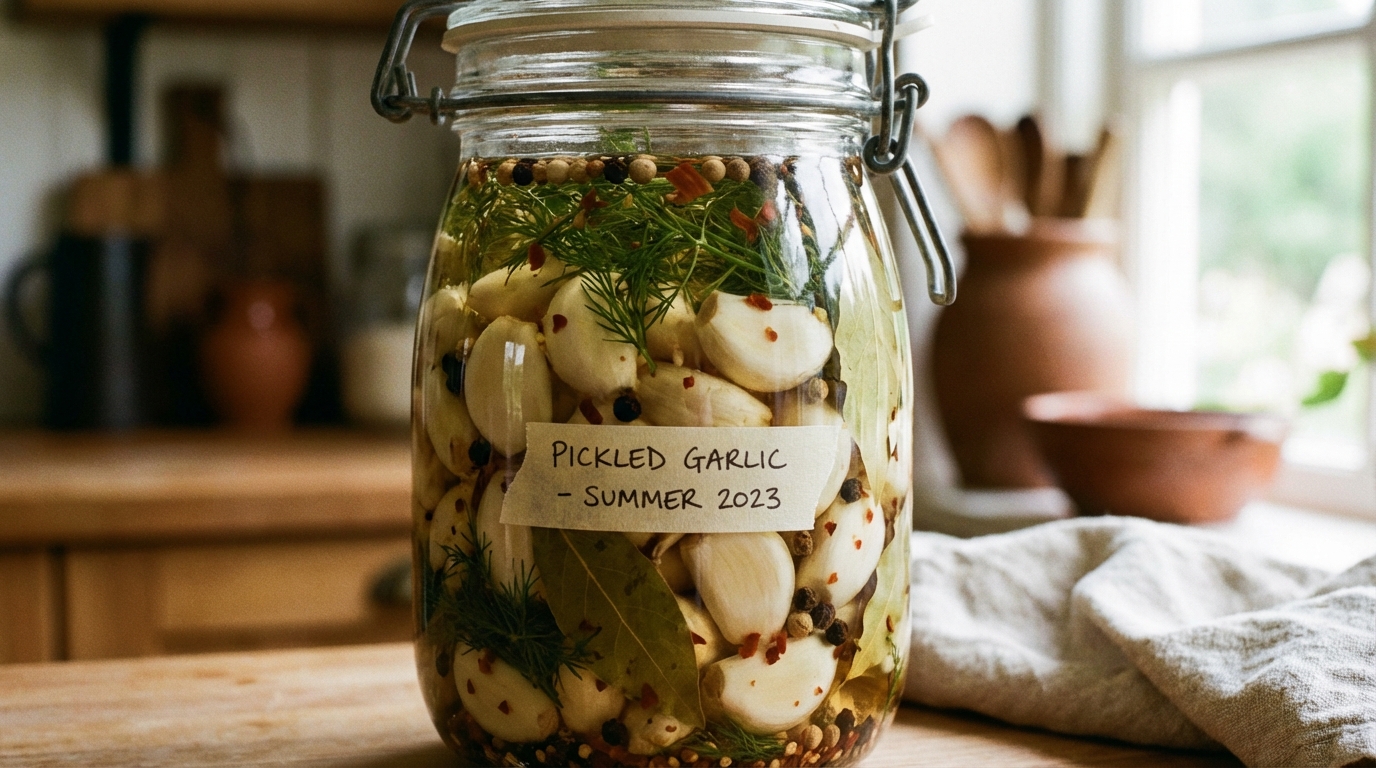
Submerging garlic cloves in vinegar or fermenting them in honey are ancient methods of food preservation. Pickled garlic becomes mellow and tangy, perfect for salads and antipasto platters. Fermented honey garlic creates a sweet, pungent syrup that is both a delicious condiment and a folk remedy. This alchemy of clove conservation is a testament to creative kitchen skills.
Common mistakes that sabotage your garlic storage
Even with the best intentions, a few common mistakes can quickly ruin your entire stash. Understanding these pitfalls is just as important as knowing the correct methods. Avoiding these errors is crucial for successful and safe garlic preservation.
The refrigerator trap explained
Putting whole garlic bulbs in the refrigerator is one of the biggest errors in garlic preservation. The cool, humid environment acts as a signal for the cloves to start sprouting. While sprouted garlic is still edible, its flavor becomes harsh and less pleasant. This mistake undermines the entire effort of keeping garlic fresh.
Storing garlic in oil at room temperature: a critical warning
Infusing oil with garlic at room temperature creates a low-oxygen environment where Clostridium botulinum bacteria can thrive, posing a serious health risk. This is not a method for long-term garlic storage. Any garlic-in-oil mixture must be made fresh, refrigerated immediately, and used within a few days. Safe garlic preservation must always be the top priority.
Comparing garlic preservation methods at a glance
Choosing the right method depends on your needs, available space, and how you plan to use your garlic. This summary can help guide your decision, ensuring you select the best path for ensuring the bulb’s legacy. This table simplifies the choices for your pungent treasure’s safekeeping.
| Method | Best For | Shelf Life | Flavor Impact |
|---|---|---|---|
| Pantry Curing | Whole bulb use, preserving natural texture | 6-8 months | Retains original, robust flavor |
| Freezing | Convenience, minced garlic for cooking | Up to 12 months | Slightly milder, texture softens |
| Dehydrating | Long-term storage, creating powders/flakes | 2+ years | Concentrated, toasted flavor |
| Pickling | Creating a new condiment, appetizers | Over a year | Mellowed, tangy, and acidic |
Why mastering garlic preservation is a game-changer
Learning these skills goes beyond just saving a few bulbs. It’s about reducing food waste, saving money, and ensuring you always have high-quality, flavorful garlic on hand. The ritual of saving garlic connects you more deeply to the food you eat and the seasons of the harvest.
Knowing how to properly execute these garlic storage techniques means your cooking will never lack that essential aromatic base. Capturing the soul of the clove is a deeply satisfying kitchen skill. True garlic preservation is more than just storage; it’s about respecting the ingredient from farm to table.
The craft of garlic stasis ensures you have peak flavor year-round, elevating everything from simple pasta sauces to complex roasts. Maintaining garlic bulbs properly is a fundamental skill that pays dividends in flavor. Ultimately, this entire process of garlic preservation is about flavor insurance for your kitchen.
Can I store garlic in the freezer?
Yes, freezing is an excellent method for long-term garlic preservation. You can freeze whole peeled cloves, minced garlic in ice cube trays, or even garlic purée. It will last for up to a year, though the texture will be softer upon thawing, making it best for cooked dishes.
Why did my garlic turn blue or green when pickling?
This is a completely natural and safe phenomenon. It’s a chemical reaction between enzymes and amino acids in the garlic that can be triggered by contact with acidic ingredients like vinegar. The garlic is still perfectly safe to eat and the flavor is not affected.
How long does properly stored garlic last?
It depends entirely on the method. Cured garlic stored in a cool, dark pantry can last 6-8 months. Frozen garlic lasts up to a year. Dehydrated garlic can last for several years, and pickled garlic can also last for over a year when stored correctly.
Is it safe to store garlic in olive oil?
Storing raw garlic in oil at room temperature is extremely dangerous due to the risk of botulism. If you make a garlic and oil mixture, it must be refrigerated immediately and used within one week at most. For long-term preservation, freezing garlic in oil is a much safer alternative.