
Eating an avocado every day can indeed help reduce bad cholesterol, but contrary to popular belief, it’s not solely due to its “good fats.” Another, much less known component, plays an equally crucial role in this protective mechanism. So, how can you properly incorporate this fruit to transform it into a real shield for your arteries without risking weight gain? We will explore the secrets of this food and the strategies to maximize its benefits for your health.
Is avocado a surprising ally against cholesterol?
When faced with a high cholesterol diagnosis, the first instinct is often to overhaul one’s diet. In this context, the avocado reveals itself as a precious supporter. It helps differentiate good cholesterol (hdl), essential for the body’s proper functioning, from bad (ldl), the excess of which builds up in arteries and increases cardiovascular risks.
“I thought I had to give up everything fatty and tasty,” says Marc Dupont, 48, an accountant from Lyon. “Discovering that I could eat this creamy fruit every day not only changed my perception of dieting, but my blood tests quickly showed a clear improvement.” This experience perfectly illustrates how a pleasure food can also be a formidable asset.
The benefits of this green gold are not limited to its monounsaturated fat content. This fruit is also an exceptional source of fiber and phytosterols, plant compounds that act as guardians by limiting cholesterol absorption in the intestine. It is this triple action that makes this super-aliment such an effective weapon.
The key role of its beneficial components
The fats contained in nature’s butter are predominantly monounsaturated, the same kind found in olive oil. These “good fats” actively contribute to lowering ldl levels while maintaining, or even increasing, hdl levels. This is a fundamental rebalancing act for the health of your arteries.
The power of monounsaturated fats
Regularly consuming an avocado provides the body with the lipids it needs to function, without the drawbacks of saturated or trans fats. This green ally fits perfectly into a diet aimed at taking care of one’s heart, making the velvety pear a staple for cardiovascular wellness.
This simple dietary addition works by replacing less healthy fats. Instead of butter on your toast or mayonnaise in your sandwich, the creamy flesh of this fruit-vegetable offers a delicious and heart-smart alternative that actively works in your favor.
The overlooked strength of fiber and phytosterols
Each avocado contains a significant amount of soluble and insoluble fiber. These not only promote good intestinal transit but also help capture some of the cholesterol and sugars, slowing their passage into the bloodstream. It’s a discreet but powerful regulatory effect.
Phytosterols, on the other hand, have a chemical structure similar to cholesterol. In the intestine, they compete with it, preventing a portion from being absorbed. An avocado thus provides a natural and complete defense for your cardiovascular system, solidifying its status as the heart’s guardian.
How to integrate avocado into your daily diet
The versatility of the avocado makes it an easy ingredient to adopt at any time of day. Its creamy texture and delicate taste allow it to pair with a multitude of flavors, from savory to sweet, transforming simple dishes into nutritious and gourmet meals. The key is to see this superfood as a core ingredient.
For a healthy start at breakfast
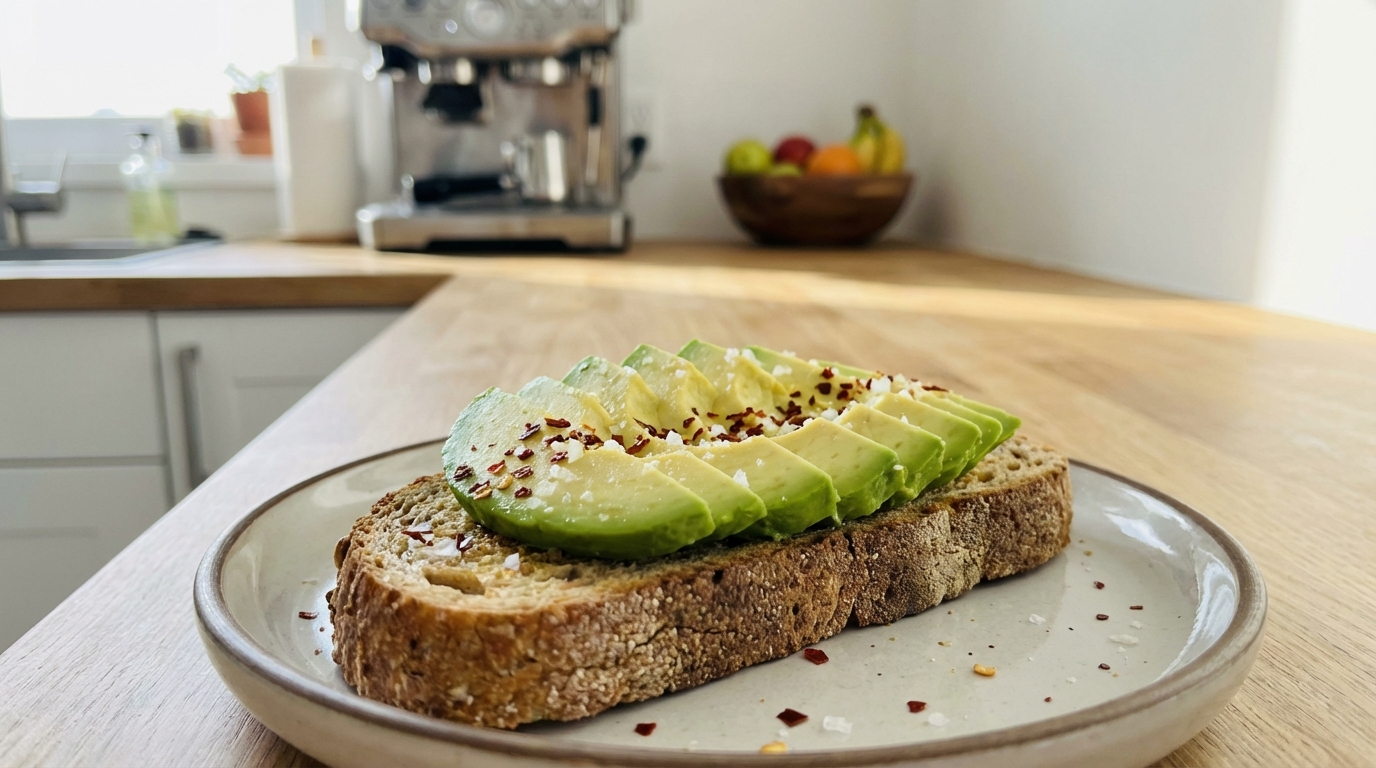
Forget butter and jam on toast. Replace them with a slice of toasted whole-grain bread, topped with thin slices of this rich fruit, a drizzle of lemon juice, salt, and pepper. For an even more complete meal, add a poached egg. You’ll get a sustainable source of energy that will prevent mid-morning cravings.
Another quick and effective option is a smoothie. Blend half an avocado with a banana, a handful of fresh spinach, and a plant-based milk of your choice. This green nectar will provide you with a concentrated dose of nutrients, fiber, and good fats to start the day right with the creamy gem.
For smarter lunches and dinners
The avocado is the perfect ingredient to enrich your salads. Diced, it adds a creamy touch that makes the dish more filling and nutritious. Paired with crunchy vegetables, legumes, and a source of lean protein, it creates a balanced and tasty lunch.
Also, consider homemade guacamole. Mash the buttery flesh of an avocado with lime juice, red onion, and fresh cilantro. Serve it with raw vegetable sticks instead of corn chips. It’s a healthy way to enjoy the benefits of this artery’s best friend during an appetizer.
Finally, don’t hesitate to use this smooth green powerhouse as a side dish. A few slices of avocado on a grilled fish fillet or a chicken breast add a richness and flavor that perfectly complement the dish, while boosting its nutritional profile.
Simple and effective recipes to lower cholesterol
Knowing how to prepare the alligator pear is essential to avoid getting bored and continue benefiting from its virtues. It’s not about eating a plain avocado every day, but about using it as a key ingredient in varied and appetizing recipes. Creativity is your best ally for a healthy long-term diet.
The essential freshness salad
For a simple and quick salad, combine diced avocado with halved cherry tomatoes, a few cucumber slices, and crumbled feta cheese. Season simply with a drizzle of extra-virgin olive oil, fresh lemon juice, salt, and pepper. This combination provides the good fats from the versatile green hero and the antioxidants from the tomatoes.
The revitalizing quinoa bowl
Quinoa is an excellent base for a complete meal. Once cooked and cooled, mix it with cubes of avocado, red bell pepper strips, corn, and black beans. A dressing made from lime juice and fresh cilantro will elevate the dish. This meal is rich in protein, fiber, and essential nutrients, making every bite a step toward better cholesterol balance with this culinary chameleon.
| Time of Day | Recipe Idea | Main Benefit |
|---|---|---|
| Breakfast | Avocado toast with poached egg | Sustainable energy and satiety |
| Lunch | Quinoa salad with avocado | Complete protein and fiber intake |
| Appetizer | Homemade guacamole with crudités | Healthy alternative to industrial sauces |
| Dinner | Salmon fillet with mashed avocado | Combination of omega-3s and good fats |
Mistakes to avoid when using avocado for cholesterol control
Incorporating avocado into your diet is an excellent initiative, but as with any food, even the healthiest, certain mistakes can diminish its benefits or even be counterproductive. It is crucial to consume this velvety fruit thoughtfully so that it acts as a true protector of the arteries.
Watch your portion sizes
This powerful food is rich in nutrients, but also in calories. Consuming it without moderation can lead to weight gain, which is a risk factor for cardiovascular disease. The recommended portion is generally half an avocado per day. This amount is sufficient to enjoy its benefits without unbalancing your total caloric intake.
Beware of bad food pairings
The effectiveness of the avocado greatly depends on the foods it is paired with. Drowning the creamy ingredient in a sauce rich in saturated fats or accompanying it with fried tortilla chips cancels out its positive effects. Opt for pairings with whole foods: vegetables, whole grains, and lean proteins. The context of your plate is as important as the food itself.
Does eating an avocado a day make you gain weight?
Consumed in moderation, an avocado a day does not cause weight gain. The recommended portion is generally half an avocado, which fits perfectly into a balanced diet without causing weight gain. Its satiating effect can even help control appetite.
What is the best time of day to eat an avocado?
There is no universal ‘best’ time. For breakfast, it provides sustainable energy. At lunch, it makes salads more complete and filling. In the evening, it can be part of a light dinner. The important thing is to integrate it at the time that best suits your routine and needs.
Can you eat avocado if you are taking cholesterol medication?
Yes, avocado consumption is generally compatible and even complementary with cholesterol medication. It acts through natural mechanisms that support the action of the drugs. However, it is always essential to discuss any major dietary changes with your doctor.
Do all types of avocados have the same benefits?
Yes, although there are different varieties of avocados (like Hass or Fuerte), their nutritional profiles are very similar. They are all rich in monounsaturated fats, fiber, and phytosterols. You can therefore choose the one you prefer in terms of taste and texture.